
Company
Why We Built Elevaire Systems
Most growing companies don't have a technology problem. They have a technology leadership problem. Here's why we built Elevaire Systems to close that gap.
Elevaire Systems
5 min read

Insights
Actionable frameworks, real-world case studies, and practical guidance for technology leaders navigating growth, modernization, and compliance.
Most growing companies don't have a technology problem. They have a technology leadership problem. Here's why we built Elevaire Systems to close that gap.
Hiring a fractional CIO is a leadership decision, not a vendor purchase. Here are the questions that separate real technology leadership from a rebranded IT contract.

Single sign-on is not a day-one purchase. Here is how growing companies decide when identity consolidation pays off, what it costs, and how to roll it out.

A SaaS vendor can be shut down, sold, or repriced on short notice. Here is how growing companies plan their exit and keep control of their own data.

Charter and independent schools hold more student data than they realize, across more vendors than they track. Here is what the law expects and where to start.
A missing business associate agreement can trigger a HIPAA enforcement action on its own. Here is what a BAA must cover and how growing practices keep them current.

Type I proves your controls exist. Type II proves they work over time. Here is which report a first enterprise customer expects, and how to sequence both.

When one person holds all the knowledge of your network, their resignation becomes an outage waiting to happen. Here is how to spot the risk and close it.
A green backup dashboard proves the job ran, not that you can recover. Here is how to run a restore test and what to ask whoever manages your backups.

Cloud spend keeps climbing after migration even when staff counts stay flat. Here is why it happens and a seven-step cost governance routine to get ahead of it.

Most growing companies say MFA is on. Here are the exceptions, legacy paths, and weak methods that quietly leave accounts exposed, and how to close them.

Automation scales whatever process you feed it, including the broken ones. Here is why documenting first matters and a six-step check to run before you automate.

Most growing companies own a security policy binder nobody follows. Here is why policies fail in practice and a five-step framework to make them stick.

When no one owns device and account offboarding, a departing employee's access doesn't end on their last day. Here's what falls through and how to close the gap.

Ad hoc IT works until it doesn't. Seven signs a growing company has outgrown improvised technology management, and what to fix before something breaks.

"Security baseline" gets used loosely. Here's what it actually means, what the data shows about the confidence gap, and where to start without a dedicated security team.

The median time to patch a vulnerability is now 43 days, and attackers increasingly exploit flaws before a patch even ships. Here's how to close the gap.

The in-house vs. outsourced help desk decision isn't really about headcount. Here's the complexity threshold that actually determines which model fits.

Google Workspace and Microsoft 365 now cost the same per comparable tier. Here's what actually separates them for a growing 25-200 employee company.

Managed IT for 25-75 employee companies typically runs $100-250 per user, per month. Here's what actually drives that range and what each tier should include.

24/7 monitoring isn't automatically the right answer for every system. Here's how to match monitoring cadence to actual risk, and what gets missed when you don't.

The Microsoft 365 admin center settings most growing companies get wrong, why each one creates real exposure, and how to fix them this quarter.
Most companies need one IT staffer per 18 to 27 employees, yet many run on a single generalist well past 50. Here's how to spot a structural gap early.

Most growing companies have solid IT operations and no process for reviewing whether that environment still fits the business. Here's what a quarterly review actually covers.

Traditional antivirus can't see most of today's attacks. Here's what EDR actually catches, what it costs at 25-200 employees, and how to decide if you need it.

A 2025 industry survey and outage report show most costly IT downtime is preventable. Here's what proactive monitoring catches that reactive IT misses.
RMM software monitors devices, backups, and patches around the clock. Here's what it actually catches before something breaks, and what it doesn't.

A practical 90-day mobile device management policy for growing companies: what to enforce first, what can wait, and what it actually protects against.

Managed IT is built to keep systems running, not to set technology direction. Here's the actual difference, what the gap costs, and how the two roles fit together.

Most help desk SLAs sound reassuring but define almost nothing. Here's what response times, resolution targets, and escalation paths should actually specify.

Unused Microsoft 365 and Google Workspace licenses quietly drain IT budgets. Here's what license sprawl actually costs and how to audit it in an afternoon.
A help desk closing hundreds of tickets a month can still be failing your team. Here's what ticket volume hides, and the metrics that actually show whether support works.

Letting employees use personal phones and laptops saves on hardware, but it changes what you can actually secure. Here's what shifts, and how to close the gap.

Break-fix IT support looks cheap on the invoice. Once lost productivity and outage time are counted, it's usually the more expensive option, not the less expensive one.

Managed IT contracts rarely spell out what's excluded until something breaks. Here's what's typically covered, what usually costs extra, and how to check before you sign.

A first internal IT hire costs $77,000 to $107,000 fully loaded. Managed IT services often cost less and cover more. Here's the real math at 30 employees.

Headcount plans get funded within weeks of a raise. Technology leadership rarely does. Here's why the gap forms, what it costs, and how to close it without overcorrecting.

A practical framework for deciding which IT vendors to keep, consolidate, or cut before sprawl quietly drains your budget and widens your risk exposure.
GDPR and CCPA get triggered by different things, not company size. Here's what actually applies to a growing US company, and what each one requires.

Most growing companies build a disaster recovery plan the week after an outage, not before. Here's the framework, the real costs, and what to fix first.
Annual training checks a compliance box, but research shows it barely moves the needle. Here's what the data says actually reduces phishing risk at growing companies.

Federal and foundation funders now expect documented cybersecurity controls, not just clean financial reporting. Here's what changed and what it requires of your systems.

Cyber insurers are denying more claims over missing controls, not raising premiums. Here's what underwriters actually verify before they'll write, or pay out, a policy.

Most companies get their first automations built without ever assigning an owner. Here's what breaks once that number grows, and a framework for fixing it.

Third-party involvement in data breaches doubled to 30% in 2025. Here's what a client's security assessment actually checks, and how to prepare for one.

When departments automate without IT leadership involved, the workflows run fine, until they don't. Here's what actually breaks, what it costs, and how to catch it early.

A tested incident response plan is now the single largest breach-cost reducer, per IBM's 2025 data. Here's what a real plan actually needs to include.
Financial and legal due diligence rarely examine IT infrastructure in depth. Here's the framework for catching what standard M&A diligence misses before you sign.

RPA, workflow automation, and AI agents get pitched as interchangeable. They aren't. Here's the real distinction and how to choose between them.

Every acquisition adds vendors a property management company never chose. Here's what that sprawl costs and the framework for getting ahead of it.

A practical framework for deciding whether to build custom automation or buy an off-the-shelf tool, with real cost data for growth-stage companies.

Law and accounting firms face specific, named legal obligations to protect client data. Here is what those rules actually require, and what satisfies them.
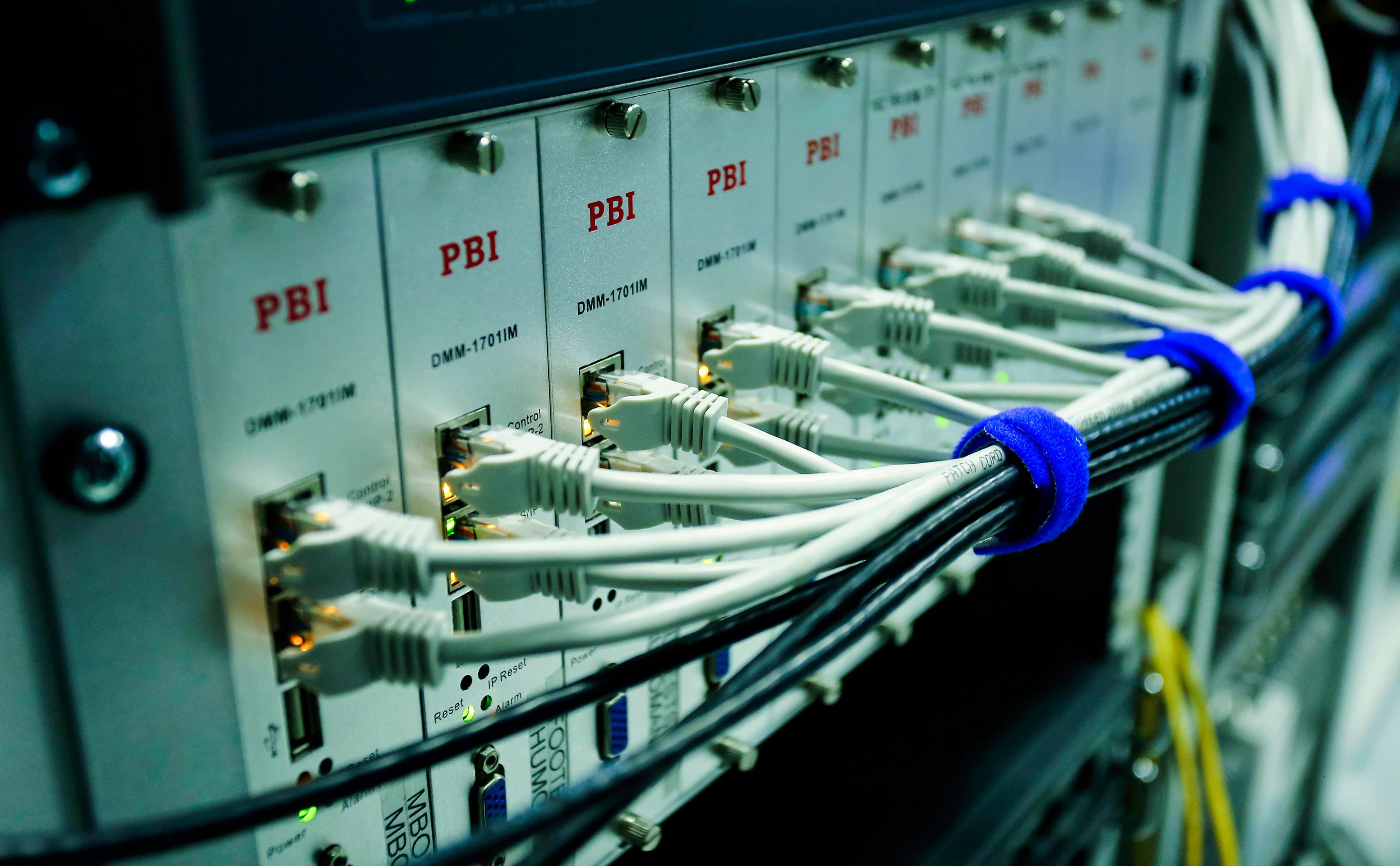
Infrastructure doesn't fail all at once. Here's the order growth-stage companies actually watch it break, and the framework to catch it before it does.

Manual invoice processing costs $5.83 per invoice at the median and $10 or more at the low end. Here's what AP automation actually delivers for a 50-person finance team.

One under-standardized location can expose an entire healthcare group to HIPAA risk. Here's why IT consistency breaks down across sites, and what actually fixes it.

Cloud, on-premises, or hybrid? Most growing companies decide by accident. Here's a framework for making this call on purpose, workload by workload.

Manual client onboarding quietly eats staff hours at growing professional services firms. Here's how to calculate the real cost and what automating it actually returns.
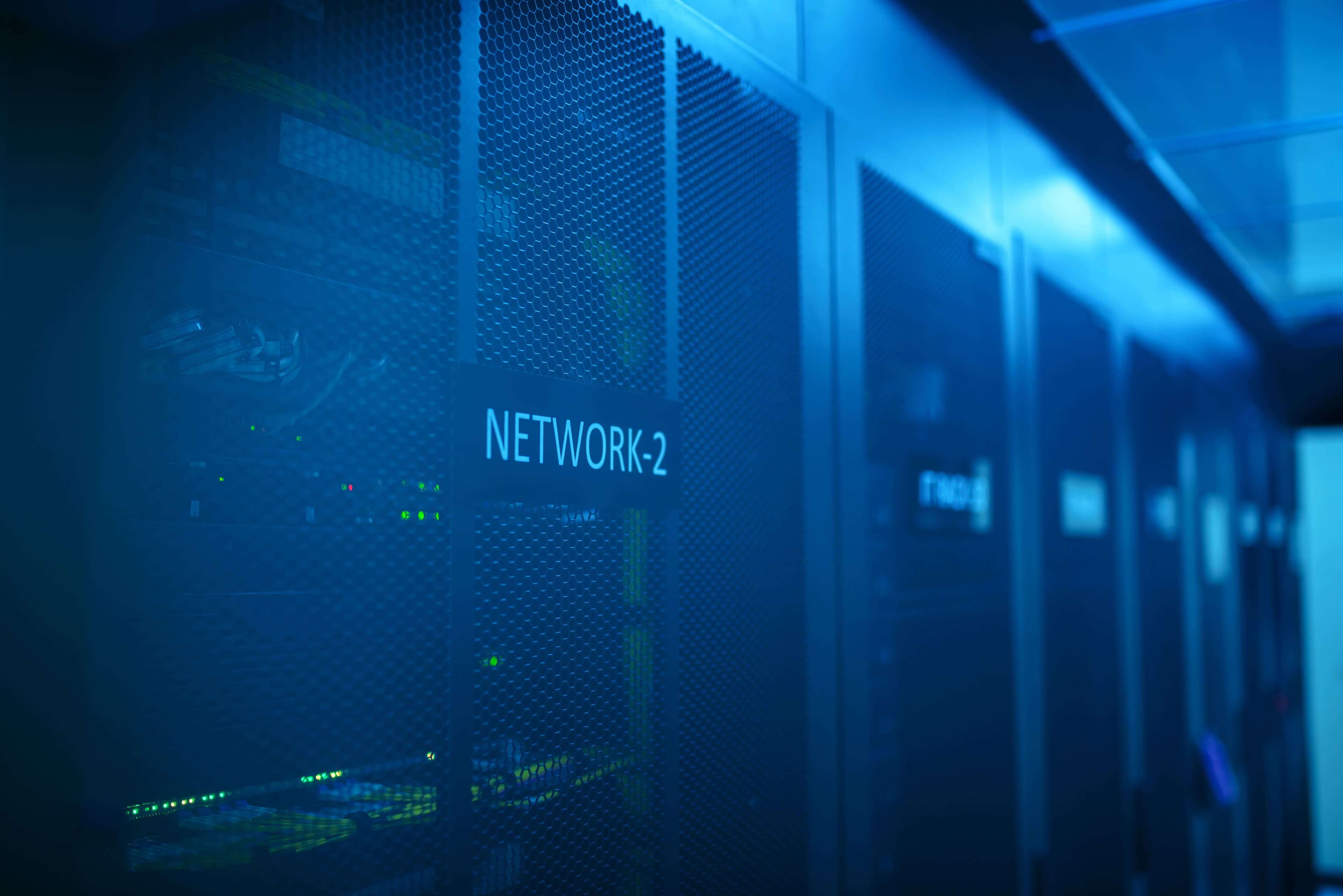
Most growing companies are still running the network they set up at 20 employees. Here are the signals that mean a redesign is overdue, and the ones that don't.

Breach notification and state privacy law deadlines start the moment you cross a threshold, not when you decide you're ready. Here's what triggers them.

Most growing companies without a dedicated IT team pick the wrong first automation project. Here's a framework for choosing the right one, and what to leave alone.

Charter networks that scale past one campus keep budgeting for technology the way a single school does. Here's what that gap actually costs, and what to fix first.

Between 50 and 200 employees, technology choices that used to be simple start requiring real governance. Here's what changes and what it costs to ignore.

Legacy infrastructure rarely shows up as one line item. Here's a framework for calculating what aging systems actually cost a growing company every year.

ISO 27001 runs $15,000-$50,000 in year one. SOC 2 Type II runs $25,000-$80,000 or more. Here's which certification your company actually needs, and why.
CMMC certification requirements for DoD contractors just changed. Here's what applies now, what's paused, and what it actually costs to prepare.

As property management portfolios scale, the real technology risk isn't the software. It's the vendor sprawl and unowned building systems nobody is tracking.

Boards rarely announce a loss of confidence outright. Here are the specific signals to watch for, what actually causes them, and how to respond credibly.

A 100-employee company runs on 50-70 vendors, and third-party involvement in breaches has doubled to 30%. Here's what managing that risk actually takes.

Cloud migrations rarely fail because of the technology. They fail because nobody owned the cost model, the security redesign, or the cutover plan. Here's what to fix first.

Law and accounting firms hit compliance and vendor demands that outpace a typical MSP years before other 25-200 employee companies do. Here's why, and what closes the gap.

A SOC 2 Type II report typically costs $30,000-$80,000 in year one for a 50-person firm. Here's what readiness actually requires, and what it doesn't.

A fractional CIO's first 90 days follow a specific sequence: assess, prioritize, execute. Here's exactly what happens in each phase and what it costs.

Delaying a technology leadership hire has a real, measurable cost. Here's what growth-stage companies lose while the decision sits on the back burner.

Nonprofits with no dedicated tech staff carry roughly double the risk exposure of those with a real team. Here's why the gap forms, and what closes it before a breach does.

Growth-stage companies lose hundreds of hours a year to duplicated, manual work. Here's where that time actually goes, what it costs, and how to fix it.

A fractional CIO and outsourced IT solve different problems: one sets strategy, one runs operations. Here's the real difference in scope, cost, and who owns what.

A 50-150 employee healthcare practice can expect to spend $10,000-$40,000 a year on HIPAA compliance, and far more after a breach. Here's the real math.

Most IT vendors are built for tactical support, not strategic leadership. Here are seven signs your vendor relationship has hit its ceiling — and what to do about it.

IT spending benchmarks for mid-market companies, what belongs in the budget, the hidden costs most organizations miss, and how to tie every dollar to a business outcome.

When technology stops being an advantage and starts creating friction, the problem usually isn't the technology. It's the absence of someone accountable for the strategy behind it.
A full-time CIO costs $275K–$400K before you account for ramp time. A fractional CIO delivers the same strategic output for a fraction of that. Here's how to know which model fits where you are.

The gap shows up long before the job title does. Here's how to recognize when your organization has outgrown its current IT model and what fractional CIO leadership actually looks like in practice.

As companies scale, three cybersecurity vulnerabilities consistently slip through the cracks — unpatched software, weak identity management, and undertrained employees. Here's what they cost and how to close them.

Infrastructure capacity, team skills, budget structure, and roadmap discipline — the four dimensions that determine whether your IT function can support your next stage of growth or become the constraint.

Cloud migration budgets routinely run over because organizations don't plan for data egress fees, resource sprawl, and the skill gaps that turn into security vulnerabilities. Here's how to anticipate all three.

Manual data entry, paper-based document management, and spreadsheet-driven finance functions are costing growing organizations far more than they realize — in dollars, in people, and in competitive position.

Workflow automation reclaims 20+ hours per week for growing organizations — but the real value is in accuracy, scalability, compliance, and the strategic capacity your team gets back.

A year-end IT spend review isn't accounting — it's a strategic exercise. Here's how to find hidden costs, right-size vendor contracts, and redirect savings toward the initiatives that actually matter.

Rapid growth without the systems to support it erodes margins, burns out employees, and damages the client relationships that made growth possible. Here's what it actually costs — and how to avoid it.

Sustainable scaling requires more than revenue growth — it requires infrastructure that flexes, processes that hold under load, teams that develop with the business, and financial discipline that keeps growth from outrunning capital.